
Atlantic City Feels the Heat as East Coast Casinos Close In


I used to drive to Atlantic City with my college friends during my school days in the 2000s. Although it was past its golden days of the 1980s, AC was still considered by many of us a ‘close to home Vegas reminder.’
Fast-forward to my visit now, where several of the Vegas big names are still here, including Caesars, Harrah’s, Hard Rock, and Bally’s. But walking along the boardwalk, I got a very clear reminder that I’m not in Las Vegas, not even close to anything that reminds me of it.
Atlantic City is under increased competition these days from real-money online casinos and brick-and-mortar casinos being built across many states on the East Coast (namely, three casinos in New York City), and proposed legislation to introduce gambling to New Jersey racetracks such as Meadowlands and Monmouth Park.
So, how is all this pressure affecting Atlantic City now, and what is it doing to deal with the competition? I went to Atlantic City for SportsbookReview.com to find out.

Atlantic City’s History - the Donald Trump angle
In 1976, voters approved a referendum to legalize casinos in Atlantic City, followed by Governor Brendan Byrne signing the New Jersey Casino Control Act into law in 1977, paving the way for Resorts International, Atlantic City’s first casino, to open its doors in 1988. The precursor to the New Jersey online casino market that would follow decades later.
When I stepped onto the boardwalk, I remembered that Atlantic City actually used to be the focus of one very high-profile real estate developer from New York, who realized its potential and capitalized on Atlantic City’s casino boom.
At one time during the 1980s, now-President Donald J. Trump owned three casino properties in the city, becoming one of Atlantic City’s largest employers. Trump Plaza Hotel and Casino, the Taj Mahal on the Boardwalk, and Trump Castle in the Marina District.
Like Trump’s casinos, which had different fates (the Taj Mahal went bankrupt after one year, Trump Castle is now Golden Nugget, and Trump Plaza was shut down and demolished), Atlantic City’s fortunes and popularity have drastically changed through the years.
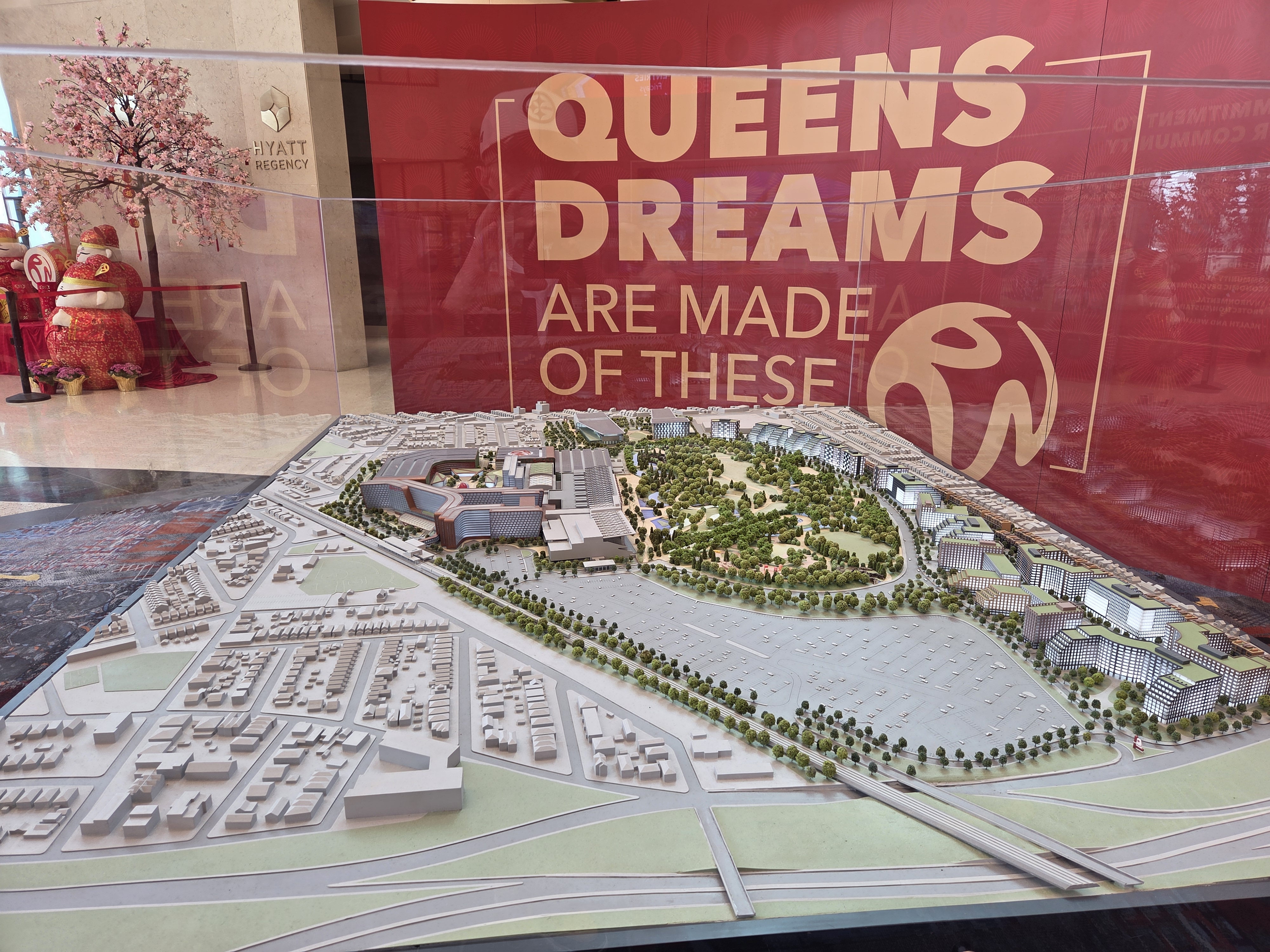
In the last decade, shiny new casinos popped up in Philadelphia, Maryland, Massachusetts, and Virginia, eating away at Atlantic City’s East Coast casino dominance. New York City is also building three new casinos in Queens and the Bronx. In addition to casinos in nearby states, recent legislation to add gambling to New Jersey racetracks has been introduced. Add to that iGaming and online sports betting, which are legal in New Jersey and nearby Pennsylvania, and you can understand the city’s struggles.
Efforts to fight back
Visiting Atlantic City, I have come across many initiatives seeking to fight back and remain competitive, both within the casino industry and by mitigating the city’s reliance on gambling. The casino industry remains a dominant force in Atlantic City, while many locals we have spoken with remember the heydays of the city, some are concerned about the decline in recent years and how increasing competition will impact the local economy, including jobs, local businesses, and the community.
I spoke to Dominiq Wilson, who works in one of the hotels near the Boardwalk. “During the wintertime, casinos are mostly supported by locals. We must change that and bring more people from outside of the city, and even from nearby states, to play. It will help the casinos, it will help everyone. We used to bring in buses of people from Pennsylvania, New York, and other parts of New Jersey. We don’t do it anymore,” she said.
When asked about the city’s potential, Dominiq added: “We have a great place here, with great potential, especially in season. There are beach bars, the boardwalk, restaurants and of course, gambling. But it can’t be only locals supporting the economy during the offseason, we need more people here.”
Outside of gambling, the city is also looking to diversify into other areas, namely real estate. Atlantic City now has 200 housing units under construction, according to data provided by a city spokesperson. According to economist Jay Parsons, Atlantic City experienced the highest rent growth of any US city over the five years leading up to the end of 2025.
“Hundreds more have been entitled or proposed, a big change of pace for the historic beach town where very little new residential product has been brought online since the Great Recession,” said Atlantic City’s mayor, Marty Small in a statement to the press. “We have so many more projects to announce, so many developers who are sniffing around. Development is a copycat league.”
But gambling still seems to be the biggest driving force for Atlantic City’s economy. Having visited most of the city’s nine gambling properties, although many game tables are closed and slots are widely available to play, considering it is the slow season, most of the casinos are full and lively, restaurants are busy, and there’s a lot of foot traffic around shops, bars, and hotel lobbies. Moreover, high-end properties like Caesars and Borgata are busy renovating and upgrading their premises.
Does Atlantic City feel the pressure of increased competition? It sure does. But will it lose its status as a gambling powerhouse on the East Coast? Time will tell. In my opinion, despite its decline since the 1980s, it will remain a gambling and holiday destination for many years to come.
Development and leadership changes signal Atlantic City transition
As lawmakers debate expansion elsewhere in New Jersey, Atlantic City is pursuing new development projects to diversify the city's economy beyond gaming. Several residential projects have recently advanced as local officials attempt to encourage broader investment and reduce reliance on casino revenue.
Atlantic City recorded the fastest rate of apartment rent growth in the country over the past five years. That trend has attracted developers interested in multifamily construction after years of limited activity. At least three projects have progressed in recent months, with city officials expecting additional proposals.
One of the latest developments involves Kushner Cos., which received approval from the Casino Redevelopment Authority on Feb. 17 for a 180-unit apartment project. The development would occupy a 2.5-acre site that has remained vacant since a department store fire in the 1970s.
Another proposal from a joint venture associated with Trax Partners calls for 152 townhomes near the Ocean Casino. The project would sit a few blocks from the 250-unit NoBe at North Beach complex, which began opening in 2019.
The city's casino industry also saw a recent leadership transition. George Goldhoff, President and CEO of Hard Rock Hotel & Casino Atlantic City, was elected President of the Casino Association of New Jersey. Goldhoff succeeded Mark Giannantonio, President and Chief Executive Officer of Resorts Casino Hotel, who served in the role for nearly four years.
“It is an honor to step into the role of Casino Association of New Jersey president and continue the strong foundation that Mark Giannantonio helped build,” Goldhoff said in a statement. He also added that he looked forward to working with local groups to help rebuild Atlantic City into a “world-class resort destination.”
With all these transitional changes in Atlantic City, along with proposals for new casinos, New Jersey is fighting to remain one of the top destinations for casino-goers. While the three New York casinos are still years away from opening, Atlantic City still has time to adapt to the evolving casino market and maintain its status as one of the best gambling states in the country.
Atlantic City casino expansion debate returns
With the addition of three new casinos in New York City, regional gambling traffic is expected to shift across the Hudson. Supporters of casino expansion in New Jersey believe that new properties in the north could help prevent bettors and gaming revenue from moving across the state border.
The Meadowlands and Monmouth Park racetracks have been central to the discussion. Ownership groups associated with both facilities have been encouraging state officials to consider a plan that would permit casino operations at the existing racing venues.
Backers of the proposal argue that many gamblers from northern New Jersey already travel into New York to play. Allowing casinos closer to home, they say, to keep that spending within the state.
The proposal remains highly controversial among political leaders in South Jersey, however. Atlantic County Democratic Committee Chairman Michael Suleiman warned that new casinos in New York could damage the region’s gaming economy. Atlantic City Mayor Marty Small also said local officials and business leaders would oppose any effort to open casinos outside the city.
State law currently allows casino gambling only in Atlantic City, a rule embedded in the New Jersey constitution. Changing that restriction would require approval from voters statewide. Sens. Vin Gopal and Paul Sarlo have submitted a bill that could place a constitutional amendment on the ballot, potentially as soon as November.
Under the concept being discussed, casino licenses would be issued for the Meadowlands and Monmouth Park properties, where horse racing and legal sports betting already take place. The proposal also requires that at least 10% of the tax revenue generated by any new casinos be directed toward tourism initiatives in Atlantic City.


